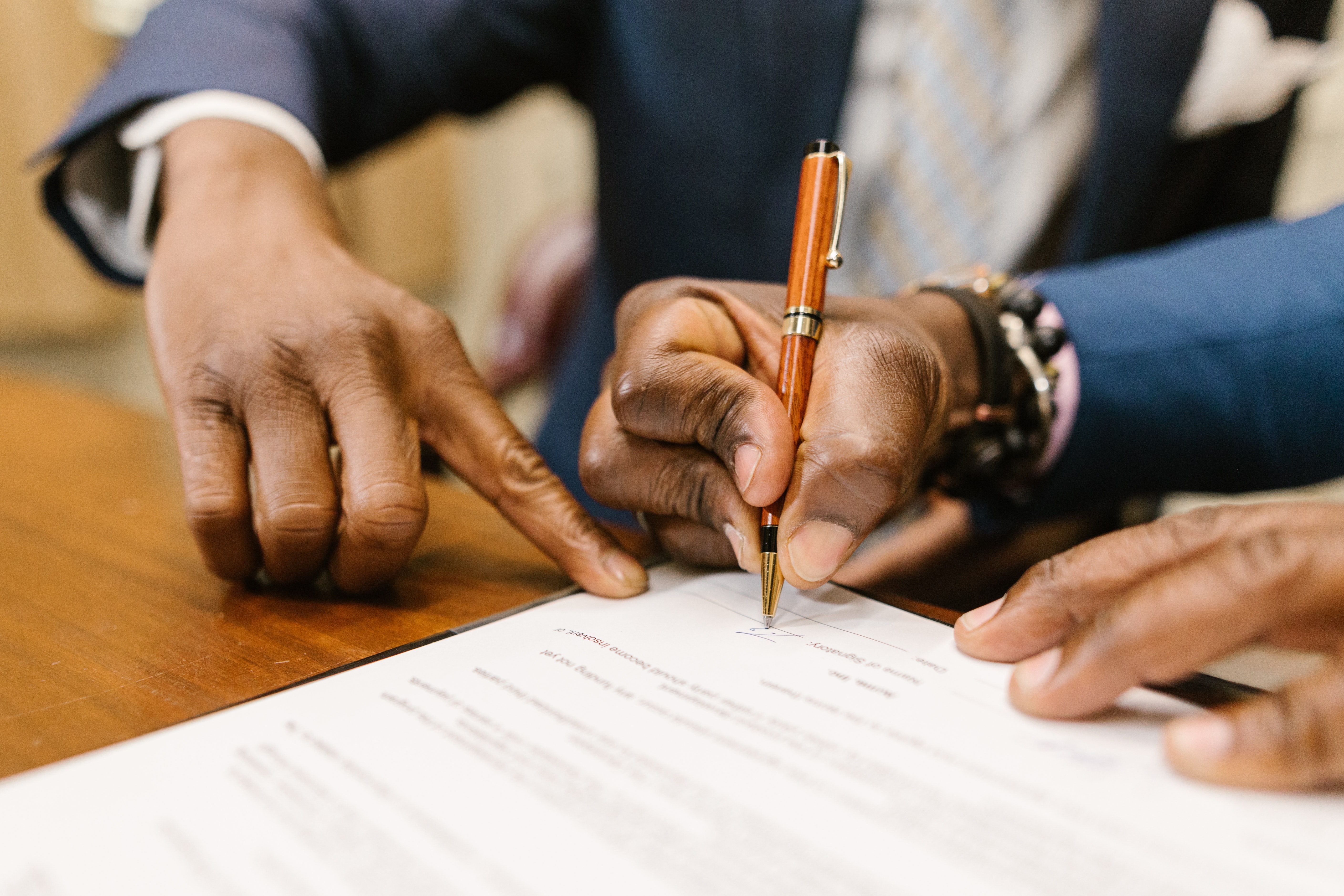
Documenting employee discussions is a very tricky and at times painful activity for organizations. While it is crucial for HR for a number of reasons, it is a difficult habit for the other employees to imbibe. Documenting employee discussions is important from a legal perspective because this makes the case strong and defensible. Documentation is both the bane and the blessing for HR. It is difficult to get people to do it, but it is preferred by attorneys and believed by judges and juries.
WHY SHOULD YOU ATTEND?
Annually hundreds of thousands of lawsuits and hearings occur across the country. Each of these is a "legal" proceeding that requires evidence of events that actually occurred. Documentation is what wins, or in some cases loses these lawsuits and hearings. The result of lack of documentation results in the loss of millions of dollars each year that might be prevented by a good documentation program.
LEARNING OBJECTIVES
At this session, which will provide participants with the information needed to be better able to document employee discussions and defend the organization from losses incurred due to poor documentation practices; Michael will cover the following areas:
1. How and why documentation is good?
- Meets the legal requirements of Federal statutes
- Provides a record of interactions with employees in order to provide better recall of what was said and done
- Helps knowledge retention. You do not need to have the original parties have a recollection of the event or conversation
- Provides the legal documentation needed to defend the company in a lawsuit
2. We will talk about how documentation will get you in trouble
3. What is necessary for good documentation?
4. We will talk about what tools can be used
With this information, you will be better able to defend the organization from losses incurred due to poor documentation practices.
WHO WILL BENEFIT?
- Office Managers
- HR Managers
- Supervisors
- Business Owners
Annually hundreds of thousands of lawsuits and hearings occur across the country. Each of these is a "legal" proceeding that requires evidence of events that actually occurred. Documentation is what wins, or in some cases loses these lawsuits and hearings. The result of lack of documentation results in the loss of millions of dollars each year that might be prevented by a good documentation program.
At this session, which will provide participants with the information needed to be better able to document employee discussions and defend the organization from losses incurred due to poor documentation practices; Michael will cover the following areas:
1. How and why documentation is good?
- Meets the legal requirements of Federal statutes
- Provides a record of interactions with employees in order to provide better recall of what was said and done
- Helps knowledge retention. You do not need to have the original parties have a recollection of the event or conversation
- Provides the legal documentation needed to defend the company in a lawsuit
2. We will talk about how documentation will get you in trouble
3. What is necessary for good documentation?
4. We will talk about what tools can be used
With this information, you will be better able to defend the organization from losses incurred due to poor documentation practices.
- Office Managers
- HR Managers
- Supervisors
- Business Owners